In the food industry, efficiency, cost management, and quality control are paramount. This is where Food Grain Packing Machines come into play, revolutionizing the packing processes involved with grains like rice, wheat, and pulses. By automating the packaging stages, these machines offer solutions that are economical, reliable, and scalable.
The application scenarios are extensive. Food processors can implement these machines in various stages of production, significantly reducing labor costs while enhancing packaging precision. For instance, a rice mill may struggle with inconsistencies in packaging weight, leading to revenue losses. With a high-speed packing machine, producers can ensure uniform bag weights, streaming productivity and eliminating waste.
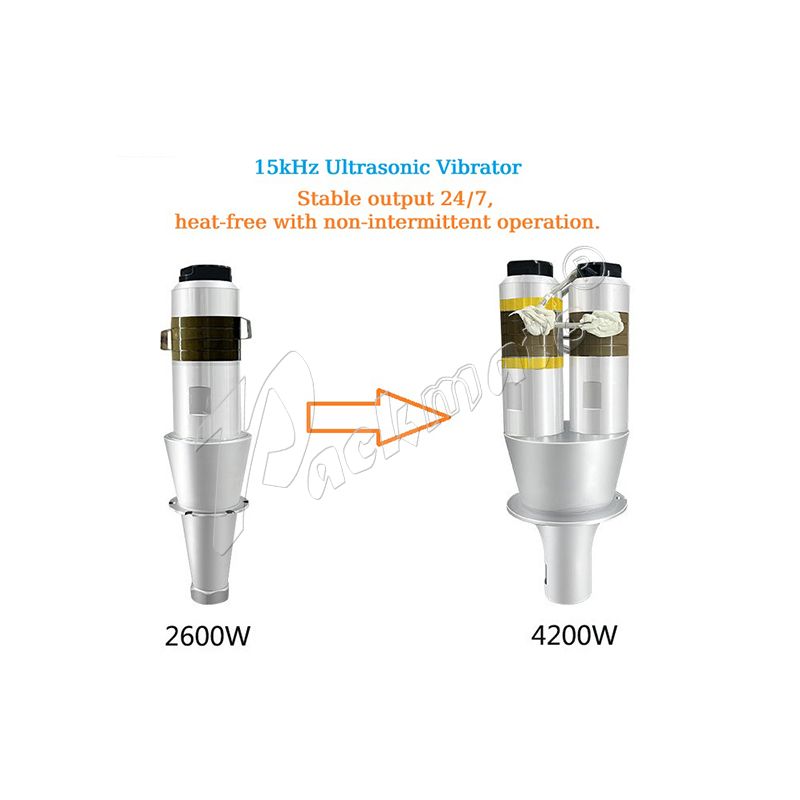
One key advantage of a Food Grain Packing Machine is its ability to integrate with existing production lines, thus solving technical challenges often faced during system upgrades. Furthermore, these machines facilitate improved energy efficiency, cutting down on electricity costs—an important consideration for any large-scale operation. Additionally, as regulations tighten around food safety, these machines can help maintain higher standards through enhanced hygiene protocols.
Market studies have shown that businesses incorporating automated solutions reduce operational costs by up to 30%. Companies that have transitioned to Food Grain Packing Machines report increased production throughput by 50% or more, showcasing an undeniable investment return.
| Feature | Manual Packing | Food Grain Packing Machine |
|---|---|---|
| Labor Cost | High | Low |
| Packing Speed | Variable | Up to 1000 bags/hour |
| Accuracy | Medium | High (±0.5%) |
| Maintenance | Frequent | Minimal |
Implementing a Food Grain Packing Machine is straightforward. Below is a step-by-step process:
Investing in a Food Grain Packing Machine positions you well in the competitive landscape of the food industry. With improved efficiency, reduced costs, and enhanced quality assurance, your business can thrive. By opting for this technology, you minimize operational risks and maximize profit margins—all while ensuring a consistent product for your customers.


